Practitioner
Since 2010. Dozens of long retreats: Vipassana, fasting, long walks in nature across Asia, the US and Israel, and solo retreats. A daily practice of many forms of meditation and breathwork.
We all remember a good version of ourselves. I believe each of us can find the way back, through attention, breath and a bit of patience. From the lab and from the cushion, I've been teaching mindfulness for years.

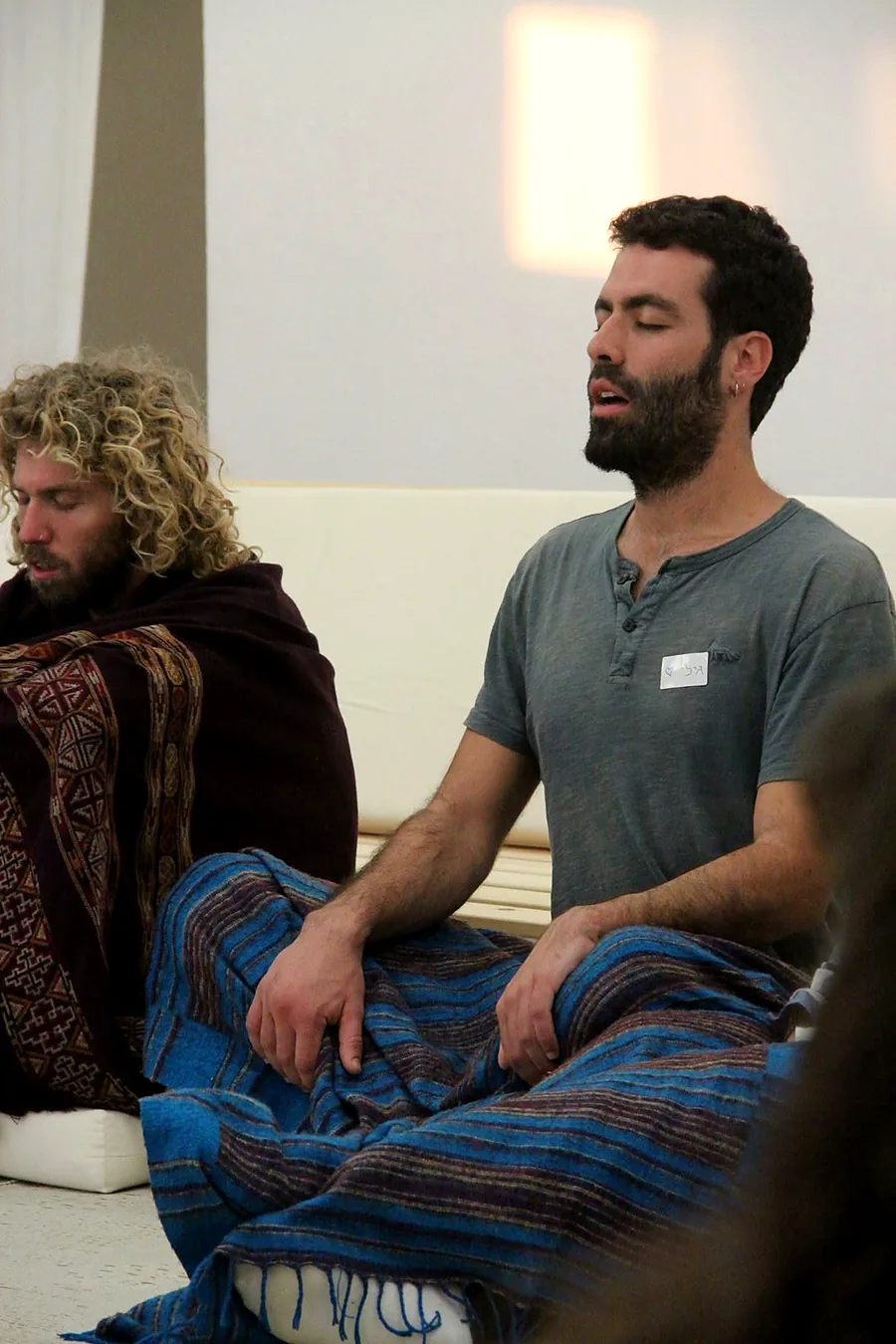
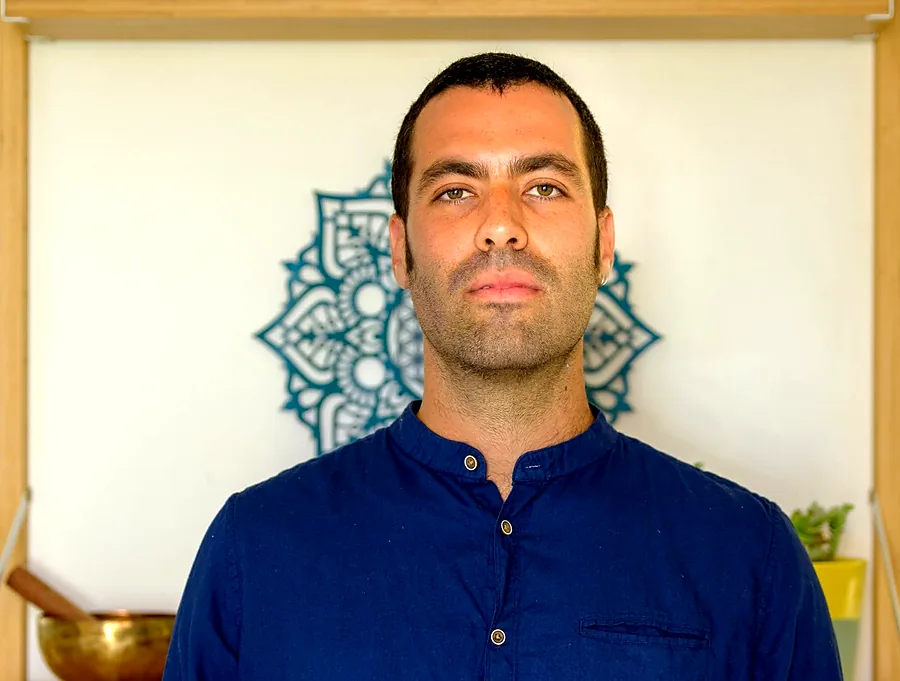
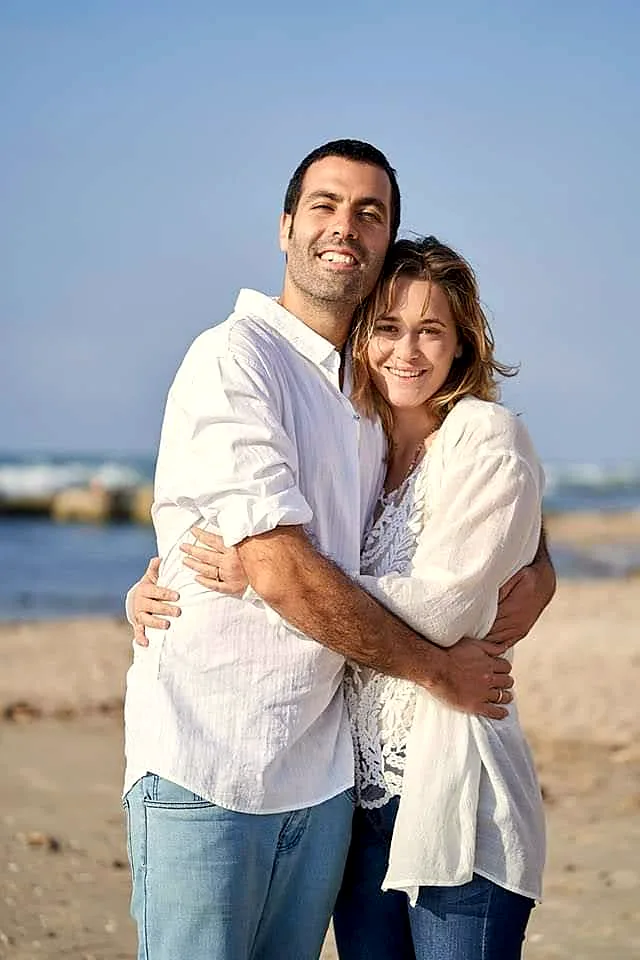

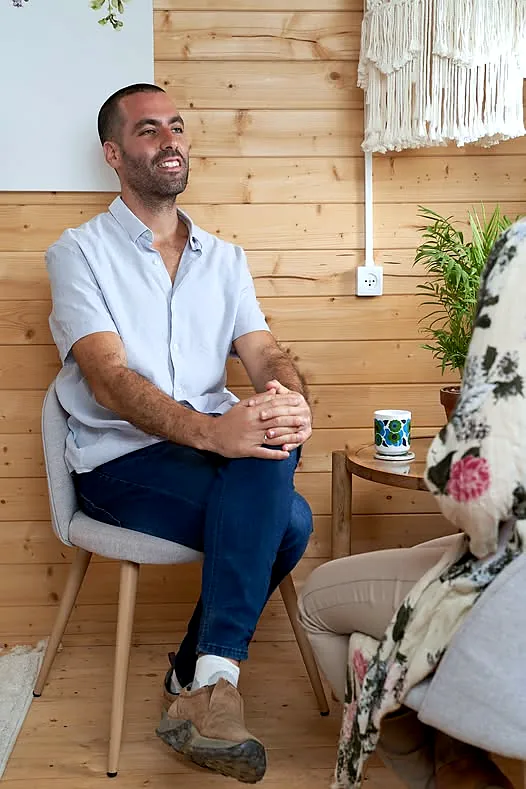
My name is Gili Birchat-El. I'm a father to Malaya and Shalev, and happily married to my beloved Lital.
I spent years in formal research at the Weizmann Institute of Science, and I've worked alongside researchers from Israel's leading institutions on studies connecting meditation and awareness with their effects on body and mind. I've worked with some of the most advanced research tools available: sleep labs, brain scans, physiological measurements and controlled comparisons.
But my research started long before that. For as long as I can remember I've been curious about awareness and consciousness, and about how different people can experience the very same situation so differently. As a child I was drawn to nature and to the mystery of life, alongside its simplicity. I always wondered why we make the experience of living so complicated.
I started my journey with meditation and mindfulness in 2010, after a long and meaningful military service, and I've gone deeper ever since. I've practiced in Israel and abroad, guided long retreats, and worked with companies, organizations, universities and communities.
I wholeheartedly believe mindfulness is a natural, comfortable and accessible path for anyone who wants a better quality of life, more awareness, and better physical and mental health.
I come from the lab, and from the cushion.
— Gili
Since 2010. Dozens of long retreats: Vipassana, fasting, long walks in nature across Asia, the US and Israel, and solo retreats. A daily practice of many forms of meditation and breathwork.
Doctoral research at the Weizmann Institute of Science on how chronic stress affects the heart, blood vessels and nervous system. Collaborator on studies in Israel and abroad on practice, health and resilience, including at the Sagol Brain Institute, Reichman University and Tel Aviv University.
Since 2018: courses, workshops and talks for tech companies, universities, health funds, IDF soldiers' centers and resilience centers. Working with teenagers across the spectrum, from gifted students at Weizmann to youth who dropped out of every framework.
After a long military service. Vipassana, fasting and long walks in nature become part of life.
Life sciences studies, then doctoral research at the Weizmann Institute: how chronic stress affects the heart, blood vessels and immune system.
Courses and workshops in companies, organizations and academia: the Hebrew University, Tel Aviv University and the Weizmann Institute.
Supporting professional teams at the Eshkol and Ramat Negev resilience centers, and working with kibbutzim and moshavim near the Gaza border.
Taking the talk across Israel: what science knows today about practice and health, and what it doesn't know yet.
After a decade in a community near the Gaza border, we now live near Paphos. We call it a long recovery period. Still teaching in Israel and Cyprus.
Mindfulness means paying attention in a particular way: on purpose, in the present moment, and non-judgmentally.
Jon Kabat-Zinn, 1994
Meditation developed in many places and eras. Modern mindfulness took out the religion and brought it into the lab and the hospital.
Meditation is the training. Life is the field.
Mindfulness research is relatively young. Some findings are strong, some are promising, and many questions are still open. Here are a few of the studies I talk about in my lectures, with names and years so you can check them yourself.
Almost half of our waking hours, our thoughts are somewhere other than what we're doing. And a wandering mind is a less happy mind.
After an 8-week MBSR course, researchers measured increased gray-matter density in the hippocampus, a region linked to learning and memory.
A review of 45 controlled trials found lower cortisol, systolic blood pressure, heart rate and the inflammation marker CRP among practitioners.
An 8-week mindfulness course produced improvement similar to escitalopram (Lexapro) in adults with anxiety disorders, with fewer side effects. Not a recommendation to stop treatment.
Among veterans with PTSD, nearly twice as many people in the mindfulness group showed clinically meaningful improvement. An addition to professional care, not a replacement.
Adults over 55 with sleep problems. Six mindfulness sessions improved sleep quality more than a sleep-hygiene course, with less daytime fatigue and depression.
Meditators felt less pain even when the body's natural painkillers were blocked with a drug. Practice relieves pain through a different mechanism.
The share of US adults who meditated in the past year more than doubled between 2002 and 2022. On PubMed: from 32 papers in 2005 to almost 2,800 in 2025.
The research is still young: many small studies and moderate effects. What matters most is consistency. And it's important to me to say: mindfulness is not a substitute for medical or mental-health care, and any change in treatment should be made only with your doctor.
Before you keep scrolling: one minute. Follow the circle. Breathe in as it grows, breathe out slowly as it shrinks. Mind wandered? Great, you noticed. Come back to the breath.
An "inside life" practice you can do anywhere: before a hard meeting, mid-argument, in traffic.
Interrupt the automatic motion. Stopping lets you notice.
One deep, releasing breath. Come back to the heart.
Ask: how am I? Name what arises. I'm angry. I'm tired.
Return to the situation by choice, rather than by reaction.
Every session combines three things: science explained simply, hands-on practice, and tools you take home. Content is tailored to the audience, the organization, and what you're going through right now.
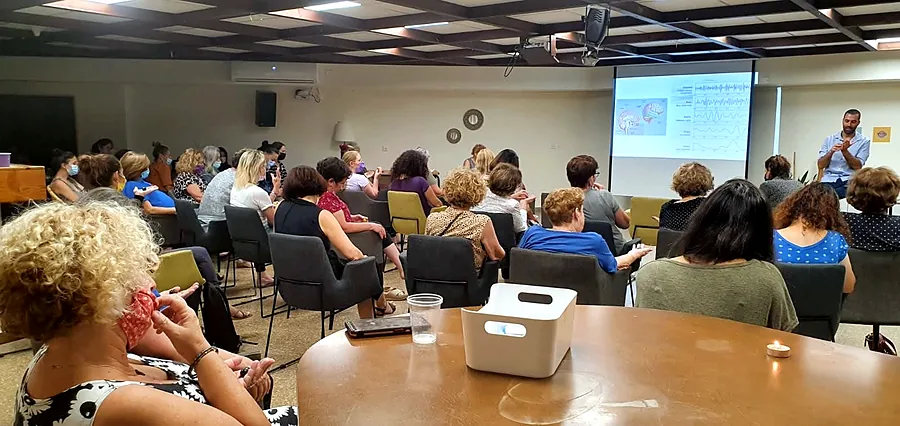 One session
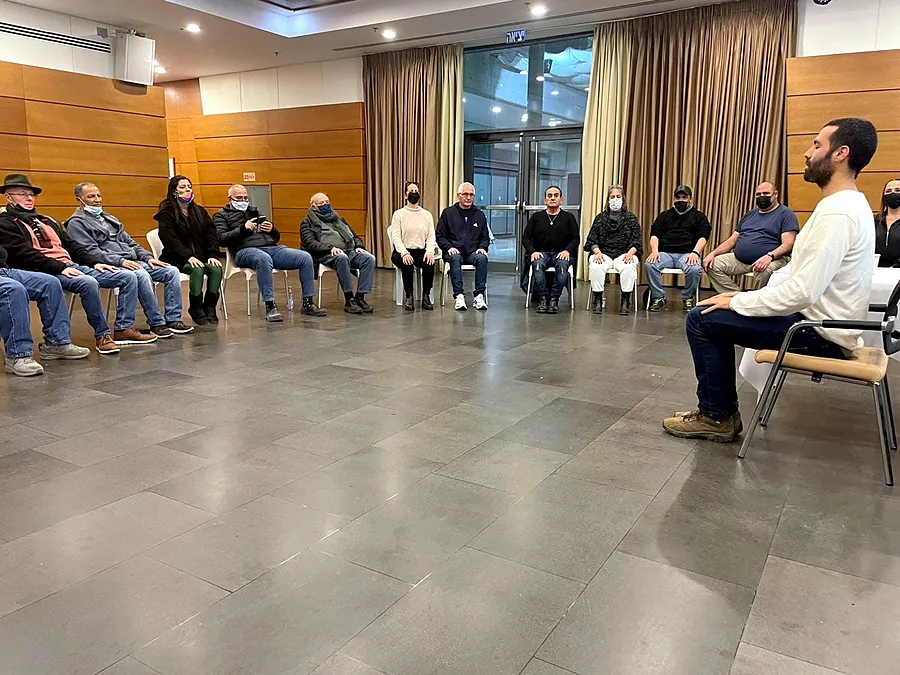
The "Science-Based Mindfulness" talk with guided practice, or a full workshop day for a team. Great for conferences, team days, universities and communities.
 3 sessions
Enough time to build a habit and feel a change. Includes recorded practices between sessions and WhatsApp support.
 12 sessions
The full course I've taught for years at resilience centers, health funds and organizations. A deep, gradual structure, from basic awareness to long-term resilience tools.
Roots of meditation; the forces at work in us: thought, imagination and breath. Mindfulness and brain research, brain waves. A first practice of turning attention inward.
The nature of awareness and how attention moves. How awareness shapes our perception of reality. The raisin exercise and research on mindful eating.
The "loving parent" attitude: present, holding, without judgment or reactivity. A listening-to-a-song practice.
Preparation, setting and posture. Body scan and attention to sensations, breath, thoughts and emotions.
The physiology of breathing and the breath as a bridge to the mind. Release breath, circular breath and box breathing.
Pain and its meaning. Moving from being contained to containing. The "Mountain" meditation and "becoming the room".
How the brain responds to imagery, guided imagination, and creating a safe place within.
Awake awareness, stepping out of a situation and zooming out. "How am I? What do I need?"
Nature as a source of resilience. Rhythm, proportion and the sense that "all is well". Meditation with nature sounds and mindful walking.
What anxiety is and the myths around it. The breath as an anchor, and tools for overwhelming moments.
Seeing the good: gratitude journal and gratitude letter. Gratitude meditation.
Deep practice, sharing, and how to continue: a practice corner, a journal and recorded practices.
I post the next two gatherings here. Want to hear first about future ones? Send me a message.

An eight-hour journey through the four elements. Movement, breath, silence and conversation between men, in a mountain village above Paphos.
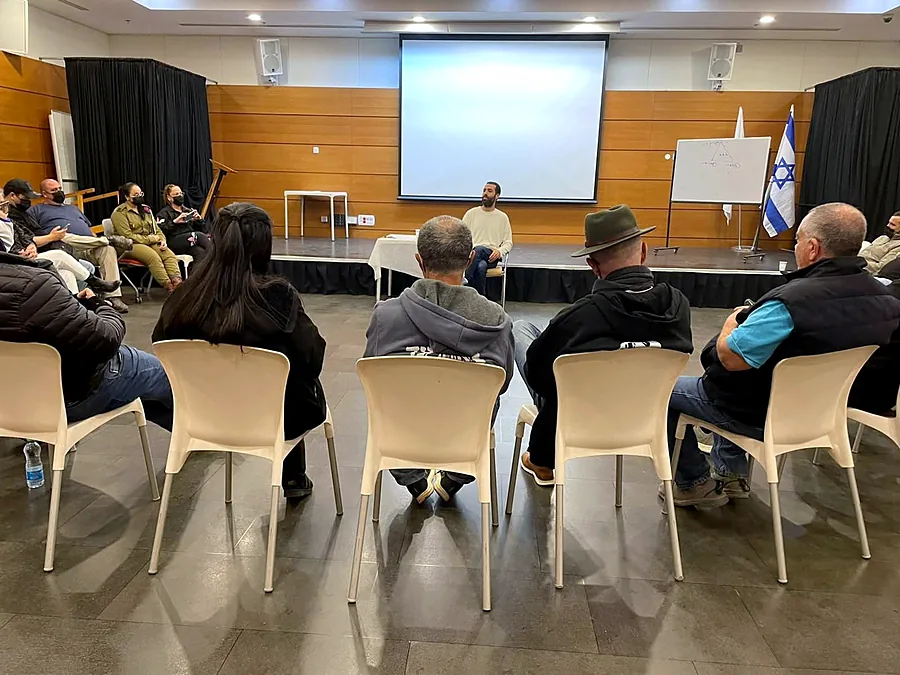
A workshop for people injured or affected by the Swords of Iron war. Simple tools for regulation, sleep and coming back to ourselves. Places are limited; registration is through Beit HaChayal Be'er Sheva.
I came for a talk and left after eight minutes of meditation in which I thought about nothing. I can't remember the last time that happened.
Eight hours with strangers, and I left with friends. Something in the shared silence opened things I hadn't talked about in years.
Three small sessions, and I felt I'd been handed a toolbox for life. My favorite was the zoom-out.
We booked one talk. A week later the employees asked for a full course. That says it all.
For the first time since the war, someone taught me what to do when my heart pounds for no reason. I do it every evening.
Three months in which I learned to sleep again. This course gave me back something I thought I'd lost.
Students came back from reserve duty carrying a lot. Gili gave them simple tools they can use even between classes.
After October I was on edge all the time. In the first session I understood my body is allowed to rest, even now.
The pain didn't disappear, but my relationship with it changed. I learned to be with it without fighting it all the time.
I came because of a friend and stayed for the atmosphere. No pathos, no pressure, just sitting and breathing together.
It's rare to find a long-time practitioner who also understands methodology and asks the right questions.
I brought the four steps to class: stop, breathe, observe, renew. Students now ask for it themselves before tests.
Finally someone who explains mindfulness with papers, not slogans. And then we practiced, which was the best part.
We work with measurements all day. Gili spoke our language, and still reached a place numbers don't reach.
The "loving parent" attitude Gili teaches has found its way into every workshop I run. It's a tool you can pass on.
During the fighting, the "Mountain" recordings were with me in the safe room. Suddenly I had something to do with my breath.
As a care team we're always giving. Sessions with Gili were a place to receive. He holds the group with great sensitivity.
The raisin exercise sounded silly until I did it. For the first time in years I really tasted something. Now I notice every cup of coffee.
During exams I couldn't fall asleep. The deep-relaxation recording Gili made was the one thing that helped.
A precise talk, no magic and no promises. I left with one tool I actually use between meetings.
A full day without email sounded like a luxury. By the end, the whole team spoke differently, slower, and it stayed with us long after.
Since the workshop I start each morning with ten quiet minutes before I open my laptop. It changed my entire thesis period.
As a researcher I always ask where the data is. Gili brought the data, then asked us to simply sit and notice the breath. That combination worked on me.
I expected a relaxation class. I got an understanding of how my mind works, and a simple way back to myself when it races.
Since 2018 I've been writing here about studies that move the field: what was tested, what was found, and why it matters for our lives. With a full source for every study.
A new trial with young adults who experienced childhood abuse found a mixed picture: after two weeks of mindfulness they reported feeling more stress, yet their heart rate during stressful moments was lower.
Read · 3 min readA small UCLA trial found that a six-week mindfulness course reduced the brain's response to social judgment, along with a marker of inflammation in blood cells.
Read · 3 min readA randomized trial in The Lancet Psychiatry tested an online MBCT course for people still depressed after a full course of therapy. Symptoms went down, and so did costs.
Read · 3 min readA rare PNAS study recorded electrical activity directly from the amygdala and hippocampus of first-time meditators. Ten minutes of loving-kindness were enough to see a change.
Read · 3 min readIs pain relief from meditation just expectation? A Biological Psychiatry study found that mindfulness and placebo act on different brain patterns.
Read · 3 min readA trial run in parallel at 37 sites tested whether a single recorded mindfulness exercise, with no teacher, lowers stress. It did, with some important caveats.
Read · 3 min read201 adults with elevated blood pressure were randomized to an adapted mindfulness program or enhanced usual care. After six months, systolic pressure dropped more in the mindfulness group.
Read · 3 min read276 adults with anxiety disorders were randomly assigned to an MBSR course or the drug escitalopram. After eight weeks, the course held its own against the medication.
Read · 3 min readThe UK's MYRIAD trial included more than 8,000 students. The mindfulness program did no better than usual lessons, and there is a lot to learn from that.
Read · 3 min read250 adults with chronic pain who were misusing opioid painkillers were randomized to one of two group programs. The mindfulness-based one led to larger reductions in misuse and pain.
Read · 3 min readA Brown University study systematically tracked difficult experiences among people taking an eight-week mindfulness course. Most were passing, but not all.
Read · 3 min readA large review published in January 2021 pooled 136 randomized trials with more than 11,000 participants. The picture is encouraging, and it also reminds us not to overstate things.
Read · 3 min readA PNAS paper from Richard Davidson's group proposes a framework that divides well-being into four dimensions, awareness, connection, insight and purpose, and argues that each can be trained.
Read · 4 min readA group of teachers in Italy started a mindfulness course a month before the first lockdown hit. Researchers found improvements in well-being, especially among the more vulnerable.
Read · 3 min readA meta-analysis by researchers at the US National Institutes of Health asked whether mindfulness meditation improves sleep quality, and compared to what.
Read · 3 min readA New York University study gave beginners 13 minutes of guided meditation a day for eight weeks. Changes showed up, though not right away.
Read · 3 min readA brain imaging study from Wisconsin compared people who took an 8-week MBSR course with long-term meditators, looking at how the amygdala responds to emotional pictures.
Read · 3 min readA large meta-analysis tested mindfulness programs in people with psychiatric diagnoses and compared them with control groups of different strength. The result is encouraging, and also sobering.
Read · 3 min readA new trial with young adults who experienced childhood abuse found a mixed picture: after two weeks of mindfulness they reported feeling more stress, yet their heart rate during stressful moments was lower.
Since October 2023 I have been working a lot with people affected by the war. One question I hear again and again is: 'Why, since I started practicing, do I feel my stress more?' A study published at the end of October 2026 speaks directly to this.
Emily Lindsay and colleagues published a randomized trial in Biopsychosocial Science and Medicine with 81 young adults who reported physical, emotional or sexual abuse in childhood. They were assigned to a two-week remote mindfulness program or to a comparison program teaching coping skills. For one week before the program, one week after, and another week a month later, participants reported their stress levels and stressful events during the day, and their heart rate was recorded.
In both groups, participants reported fewer stressful events over time, and the drop was larger after mindfulness. At the same time, the mindfulness group reported feeling more stressed after the program than the coping group. This increase was stronger among those who had experienced more severe abuse, and it had weakened by the one-month follow-up.
The body told a different story. During stressful moments, heart rate in the mindfulness group was relatively lower than in the coping group, with an effect size of 0.62. They felt the stress more, while their bodies reacted to it less. The researchers suggest that practice may increase awareness and reduce emotional avoidance, so people begin to feel what they had learned to push aside.
This is a small study with a very short intervention, in young adults who self-reported childhood trauma. Heart rate was measured in daily life rather than in a lab, which is a strength that also brings noise. The explanation about awareness and avoidance is a hypothesis that still needs testing.
I would like everyone practicing after trauma to know about this study. If you started practicing and suddenly feel more, it may be the moment you stopped running from the feeling. Still, go slowly, ideally with a teacher or therapist who understands trauma. One small suggestion: if practice becomes overwhelming, open your eyes, put your feet on the floor, and let your attention rest on something neutral in the room.
A small UCLA trial found that a six-week mindfulness course reduced the brain's response to social judgment, along with a marker of inflammation in blood cells.
In my doctoral research at the Weizmann Institute I studied how chronic stress affects the heart, the blood vessels and the immune system. So any study that tries to connect what happens in the head with what happens in the blood gets my attention. Social threat, the sense that others are judging us, is one of the triggers that can set off a strong inflammatory response in the body.
In January 2026, Brain, Behavior, and Immunity published a study from a UCLA group that included Steve Cole, a well-known researcher on stress and gene expression. Forty-nine healthy young adults were randomized: 26 took a six-week mindfulness course called MAPs, and 23 were placed on a waitlist. Before and after the course, they performed a social-evaluative stress task inside an MRI scanner and gave blood samples.
In the brain, the team focused on three threat-related regions: the amygdala, the dorsal anterior cingulate cortex and the anterior insula. In the blood, they analyzed gene expression in white blood cells and used it to infer the activity of NF-κB, a central switch for inflammatory signaling.
After the course, threat-related brain activity dropped in the mindfulness group compared with the waitlist. NF-κB activity dropped too. When the researchers accounted for the change in brain reactivity, the effect on inflammation was no longer significant. This suggests the brain is part of the pathway: less threat response, less inflammatory signaling.
The sample is small, and everyone was young and healthy. The control group was a waitlist, so we cannot separate mindfulness itself from simply taking part in any course. And this kind of analysis points to a possible mechanism without proving it.
Chronic low-grade inflammation is linked to heart disease, diabetes and depression. This study points to a possible route by which reacting less to other people's judgment also means less inflammation in the body. Next time you feel judged, try noticing your body before you respond. Where does it land, in your stomach, your chest, your jaw? A few breaths of attention give the system a moment to settle.
A randomized trial in The Lancet Psychiatry tested an online MBCT course for people still depressed after a full course of therapy. Symptoms went down, and so did costs.
The UK runs a large public psychological therapy program called NHS Talking Therapies. According to the authors, about half of the people with depression who reach the end of its treatment pathway are still not in remission. Until now there was no evidence-based answer for what to offer them next.
In 2025, The Lancet Psychiatry published a randomized trial testing whether MBCT, mindfulness-based cognitive therapy, could help. It enrolled 234 people with current depression who had already completed at least 12 therapy sessions without enough improvement. 118 received MBCT on top of usual care, and 116 continued with usual care alone. The course included one individual orientation session and eight weekly group sessions, all by video call.
After 34 weeks, the MBCT group had fewer depressive symptoms. The difference on the PHQ-9 questionnaire was 2.49 points, an effect size of 0.41. That is a small-to-moderate effect, and for people who had already been through therapy without remission it matters. Healthcare costs were lower in the MBCT group, though that difference was not statistically significant. The economic analysis put the probability that MBCT is cost-effective at 99%. No serious treatment-related adverse events were found.
A few caveats. Participants knew which group they were in, and depression was measured with a questionnaire they filled in themselves. The comparison group did not receive an extra treatment of similar scope, so some of the effect may come from the group setting and the added attention. 86% of participants were White, so the finding should be tested in other populations. Several authors teach or train others in MBCT, which they disclose in the paper.
Many people who come to me have already tried therapy, sometimes more than once, and still feel stuck. This study shows there is another option even after treatment that did not lead to remission. MBCT can be added alongside psychological or medical treatment; it does not replace it. If this sounds like you, it is worth asking your therapist whether an MBCT group might be a good fit.
A rare PNAS study recorded electrical activity directly from the amygdala and hippocampus of first-time meditators. Ten minutes of loving-kindness were enough to see a change.
Most of what we know about the meditating brain comes from MRI scans, which measure blood flow indirectly. Deep structures like the amygdala and hippocampus are very hard to reach directly. In February 2025, PNAS published a study that did exactly that, thanks to a rare group of participants.
Researchers at the Icahn School of Medicine at Mount Sinai in New York, together with Richard Davidson of the University of Wisconsin, worked with eight patients with drug-resistant epilepsy. As part of their treatment, these patients had a permanent device implanted that can record electrical activity from the amygdala and hippocampus. All of them were new to meditation.
Each participant heard five minutes of recorded instructions, followed by ten minutes of loving-kindness meditation, where you direct good wishes to yourself and to others. Afterwards they rated how deeply they had meditated, with an average of 7.43 out of 10.
During meditation, gamma power (30 to 55 Hz) rose in both the amygdala and the hippocampus in most participants: six of eight in the amygdala and six of seven in the hippocampus. The duration of short bursts of beta and gamma activity also changed. The authors note that both regions are linked to mood disorders.
This needs to be read in proportion. Eight people is a very small sample, and all had epilepsy, so it is hard to generalize. It was a single ten-minute session, and we do not yet know what increased gamma means for how people feel or for long-term health. This is a mechanism study, a first step in a new direction.
What moves me here is that these were people who had never meditated, and it took only ten minutes. Deep regions involved in emotion responded on the very first try. If you haven't tried loving-kindness, give it a few minutes. Quietly repeat a phrase like 'May I be safe, may I be well', then offer it to someone close to you, and later, if it feels right, to someone you find difficult.
Is pain relief from meditation just expectation? A Biological Psychiatry study found that mindfulness and placebo act on different brain patterns.
One question has followed mindfulness and pain research for years: maybe all the relief is a placebo effect? People expect meditation to help, so they feel less pain. It is a fair question, and I am glad some labs take it seriously.
In August 2024, Fadel Zeidan's group at UC San Diego, together with Tor Wager of Dartmouth, published a paper in Biological Psychiatry. They combined data from two randomized trials with 115 healthy participants, split into four groups: four sessions of mindfulness meditation (37 people), a placebo cream with conditioning (19), a sham version of meditation (20), and listening to a book (39). Everyone then received 49°C heat on the skin during functional MRI.
Instead of looking at a single brain region, the researchers used brain 'signatures', multi-region activity patterns validated in earlier work. One signature tracks the processing of the painful input itself, another tracks the negative emotional side of pain, and a third tracks the placebo response.
The result was what scientists call a double dissociation. Meditation reduced pain intensity and unpleasantness more than every other group, and it also lowered the signatures for pain processing and negative affect. The placebo cream, in contrast, lowered the placebo signature. Both approaches reduce pain, through different routes in the brain.
There are limits here. The participants were healthy, the pain was brief and experimental, and chronic pain was not tested. Some groups were small, especially the placebo and sham groups. The data also came from two separate trials that used different scanning methods.
When I teach people who live with pain, I don't promise the pain will disappear. This study gives me grounds to say that what happens in meditation goes beyond expectation. You can try it the next time something hurts. Instead of fighting the sensation, get curious about it. Where exactly is it? Is it steady or does it shift? For some people, this kind of looking changes their relationship to pain even when its intensity barely moves.
A trial run in parallel at 37 sites tested whether a single recorded mindfulness exercise, with no teacher, lowers stress. It did, with some important caveats.
When people ask me whether they can start mindfulness on their own, with a recording on their phone, I usually answer carefully. Most studies of self-guided practice have been small, and many lacked a good control group. In June 2024, Nature Human Behaviour published a study that took this question seriously.
The team, led by Alessandro Sparacio, ran the same experiment at 37 sites with 2,239 participants. Their average age was 22.4, and 70.4% were women. Each person did a single exercise, alone, following a recording: a body scan, mindful breathing, loving-kindness, or mindful walking. The control group listened to an excerpt from an audiobook. Right afterwards, everyone rated how stressed they felt.
All four exercises lowered stress more than listening to the story. The body scan showed the largest effect, with an effect size of 0.56, which counts as moderate. The other three were close behind, with effect sizes between 0.45 and 0.48. The analysis plan was preregistered, so the researchers committed in advance to what they would test.
It is just as important to say what this study does not show. It looked at one session and at stress measured immediately after it, by self-report. There is no information about what happens a week or a month later, and no physiological measures. Most participants were young English speakers, and the authors themselves limit their conclusion to English speakers from higher-income countries. The ClinicalTrials.gov registration was also retrospective, although the OSF preregistration was done properly beforehand.
My takeaway: even a short session done alone can take the edge off stress in the moment. Regular practice still matters more over the long run, yet this is a tool anyone can reach for. If you are in the middle of a busy day, try a short body scan. Move your attention slowly from your feet up to your head and notice what you feel in each area, without trying to fix anything.
201 adults with elevated blood pressure were randomized to an adapted mindfulness program or enhanced usual care. After six months, systolic pressure dropped more in the mindfulness group.
This study is close to my heart, almost literally. My doctoral research at the Weizmann Institute looks at how chronic stress affects the heart and blood vessels. So when a controlled trial asks whether mindfulness can lower blood pressure, I read it closely.
Eric Loucks and his team at Brown University published a trial in May 2023 in the Journal of the American Heart Association on a program called MB-BP. It's an eight-week mindfulness program adapted for people with elevated blood pressure, applying awareness to the body, eating, physical activity and medication.
201 adults with blood pressure of 120/80 or higher were randomized. 101 got the program and 100 got enhanced usual care: a home blood pressure monitor, training in using it, and an information brochure on high blood pressure. The mindfulness group got the same monitor and training. Blood pressure was measured in the clinic with the participant sitting alone in the room, by staff who didn't know the group assignment.
After six months, systolic pressure in the mindfulness group fell by 5.9 mm Hg on average, and the gap versus the control group was 4.5 mm Hg. The researchers also saw signs of possible mechanisms: less sitting time, a slightly healthier diet, and higher mindfulness scores.
This is a phase 2 trial, so it isn't the final word. Most participants were white with an average age around 60, and 17.4% were lost to follow-up. The confidence interval for the difference came close to zero, so the true effect may be smaller.
Still, the direction is interesting. The program wasn't only about calming down. It helped people notice the everyday habits that shape heart health over time.
High blood pressure is one of the main risk factors for heart disease, and many of us live with it without knowing. Mindfulness doesn't replace medication or checkups, but it can help us notice what we do every day. A small suggestion: once an hour, while sitting at a screen, check in with how your body feels, and if you can, get up for a two-minute walk.
276 adults with anxiety disorders were randomly assigned to an MBSR course or the drug escitalopram. After eight weeks, the course held its own against the medication.
Since I started teaching, the question I've heard most is whether mindfulness can help with anxiety. Until recently I had no good answer about how it compares with standard treatment. A trial in the January 2023 issue of JAMA Psychiatry changed that.
Elizabeth Hoge and her team at Georgetown University recruited 276 adults with a diagnosed anxiety disorder at three US medical centers. Half took MBSR, the classic eight-week mindfulness program. The other half took escitalopram (Lexapro), one of the most common anxiety medications, at 10 to 20 mg.
Anxiety was rated by interviewers who didn't know who got what. 208 participants completed treatment. After eight weeks, anxiety severity scores dropped by 1.35 points with MBSR and 1.43 with the medication, on a seven-point scale. The difference was very small and met the researchers' preset definition of noninferiority.
The side effects are worth a look too. 78.6% of those assigned to the drug reported at least one study-related adverse event, compared with 15.4% in the mindfulness group. Ten people stopped the medication because of side effects, while nobody left the course for that reason.
Read this carefully. Participants agreed in advance to receive either treatment, and the course takes real time and home practice. There was also no untreated comparison group.
I want to say this plainly: this is not a recommendation to stop medication. If you're on medication and it helps, that's a good thing. Any change should be made only with your doctor.
Anxiety causes a lot of suffering, and medication isn't right for everyone, or isn't enough on its own. This study widens the menu. It shows that a structured eight-week course can be a serious option worth discussing with a professional. If you want to start small: next time anxiety rises, put a hand on your chest and notice three breaths without trying to change them.
The UK's MYRIAD trial included more than 8,000 students. The mindfulness program did no better than usual lessons, and there is a lot to learn from that.
In July 2022 the results came out from one of the largest trials ever run on mindfulness in schools. It's called MYRIAD, and its main result wasn't what many of us hoped for. I think that's exactly why it's worth reading.
A team led by Willem Kuyken at Oxford randomly assigned 85 UK schools to two groups. In half, students aged 11 to 14 got ten mindfulness lessons taught by trained school teachers. The other half carried on with their usual social and emotional learning. The analysis included 8,376 students.
After a year there was no difference. Not in risk for depression, not in social-emotional-behavioral functioning, not in well-being. The differences between groups were very close to zero. On the other hand, no program-related adverse events were seen, and the economic analysis suggested it was likely cost-effective.
It matters what the program was compared with. Control schools were already teaching social and emotional skills. The trial wasn't asking whether mindfulness beats nothing. It asked whether mindfulness adds to what schools already do, and the answer was no.
What does that mean? My reading is that it's very hard to bring an inner practice to a whole class of teenagers who didn't choose it, through regular school teachers, in ten lessons. The authors themselves say we need to ask what works, for whom and how.
I have a lot of respect for a team that publishes a result like this openly. That's what makes science something we can trust.
Parents and educators often ask me whether to bring mindfulness into the classroom. After MYRIAD, my answer is to be careful with big expectations from a short program for everyone. Think about fit: who wants it, who needs it, and who is teaching. At home, sometimes the biggest effect comes from an adult who practices and shows what it looks like to pause and breathe when angry.
250 adults with chronic pain who were misusing opioid painkillers were randomized to one of two group programs. The mindfulness-based one led to larger reductions in misuse and pain.
Chronic pain is a topic I approach carefully. People who have lived with pain for years have heard plenty of promises. So I was glad to read a serious trial published in March 2022 in JAMA Internal Medicine.
Eric Garland and his team at the University of Utah recruited 250 adults from primary care clinics. All had chronic pain, on average for about 15 years, were on long-term opioid therapy, and were misusing their medication, for example taking more than prescribed or using it to cope with stress.
Half received a program called MORE, which combines mindfulness training, reappraisal, and practice in savoring good moments. The other half joined a standard supportive therapy group. Both had eight weekly two-hour sessions. That makes it a fair comparison, since the control group also got attention, a group and time.
Over nine months of follow-up, the odds of reduced misuse were roughly twice as high with MORE. At nine months, 45% of those assessed in the MORE group were no longer misusing opioids, compared with 24.4% in the support group. Pain severity and pain's interference with daily life dropped more with MORE, as did opioid dose, emotional distress and craving.
There are caveats. 36.8% of participants had left the study by the nine-month mark, partly because of COVID, and most participants were white and from Utah. We need to see whether the results hold elsewhere.
What interests me most is the mechanism. The program teaches people to notice pain as a set of shifting sensations, while also rebuilding the capacity to enjoy simple things.
Most of us aren't in the situation of these participants, but nearly all of us know recurring pain: back, head, neck. This trial shows that how we relate to pain affects the pain itself. A small suggestion: next time it shows up, spend one minute noticing exactly where it is and how it shifts. And if you take pain medication, any change in dose happens only with your doctor.
A Brown University study systematically tracked difficult experiences among people taking an eight-week mindfulness course. Most were passing, but not all.
Anyone who has sat a long retreat knows meditation isn't always pleasant. Sometimes fear, sadness or memories show up uninvited. I try to talk about this openly in my courses, and a study published in 2021 gave me numbers to work with.
Willoughby Britton and her team at Brown University followed 96 people who took MBCT, an eight-week group mindfulness program. Afterwards an independent interviewer went through 44 possible experiences with each participant, asking whether it happened, whether it was linked to practice, how long it lasted, whether it felt good or bad, and whether it affected their functioning.
83% reported at least one meditation-related effect. Some of these were neutral or even pleasant. 58% had at least one that felt negative, and 37% reported some negative impact on functioning, usually temporary.
For 6% to 14% of participants there were lasting bad effects. These tended to go with signs of dysregulated arousal: feeling keyed up and unable to settle, or feeling detached from one's body and surroundings.
The authors note that rates of transient distress were similar to what we see in other psychological treatments. In other words, meditation behaves like a real intervention. It has power, so it can also carry a cost.
Keep the limits in mind. This is a fairly small sample of people who came in with mild to severe depressive symptoms and persistent negative mood, so rates may differ in other groups. Still, it is one of the first studies to measure this carefully, and it changed how I teach.
The point is to practice wisely, not to fear practice. If during a sit your heart starts racing or you feel yourself drifting away, you can open your eyes, stand up, move, feel your feet on the floor. You can also make the session shorter. And if something difficult lingers afterwards, tell your teacher or a professional. A good teacher will want to know.
A large review published in January 2021 pooled 136 randomized trials with more than 11,000 participants. The picture is encouraging, and it also reminds us not to overstate things.
When people ask me whether mindfulness works, I usually answer with a question: works for what, and compared with what? In January 2021 PLOS Medicine published a review that tackles exactly that, and I keep coming back to it.
A team led by Julieta Galante at the University of Cambridge gathered every randomized controlled trial of in-person mindfulness programs for adults in nonclinical settings. Think employees and students, people without a diagnosis. In total: 136 trials and 11,605 participants from 29 countries.
Compared with doing nothing, the programs reduced anxiety, depression and psychological distress on average, and improved mental well-being. The effects were roughly moderate. For anxiety the average standardized effect was 0.56, and for distress 0.45.
The more interesting part is the comparison with other programs. When mindfulness was compared with other interventions designed to promote mental health, there was no significant evidence that it did better. Against more general activities that weren't built for that purpose, it came out ahead only on depression.
The authors are upfront that confidence in the findings ranges from moderate to very low. Many trials had a high risk of bias, and when those were removed only the effect on distress held up. Programs aimed at people at higher risk showed larger effects than programs offered to everyone.
I find this a healthy review. It says mindfulness helps ordinary people, it says mindfulness is one good tool among several, and it says we still need to learn where it fits best.
If you're torn between mindfulness and some other way of looking after your mind, this review takes some pressure off. There's no magic bullet here, just several approaches that work about equally well. So pick the one you'll actually stick with. A small suggestion: try ten minutes a day for eight weeks, then ask yourself honestly what changed.
A PNAS paper from Richard Davidson's group proposes a framework that divides well-being into four dimensions, awareness, connection, insight and purpose, and argues that each can be trained.
For many years, happiness and well-being were treated as something you're born with, or something that depends on circumstances. In late 2020, Cortland Dahl, Christine Wilson-Mendenhall and Richard Davidson published a paper in PNAS that offers another way to look at it. It isn't a new experiment. It's a review that connects research on well-being, neuroscience and clinical psychology.
Their central claim is that well-being resembles a skill. Just as you learn to play an instrument, you can practice and strengthen its components. They propose four such dimensions.
Awareness is the ability to notice what's happening around us and inside us, thoughts, emotions and body sensations, and to catch when attention drifts. Connection is a sense of care and kinship toward other people, including those who differ from us. Insight is an experiential understanding of how thoughts, beliefs and emotions shape our experience and our sense of who we are. For example, recognizing that a fearful thought is built from memories and self-criticism, instead of accepting it as reality. Purpose is clarity about what matters to us, and the sense that we're able to live by it day to day.
For each dimension the authors bring evidence that it changes with training, both psychologically and in the brain. They also openly point out gaps in the research. It's worth knowing that some of the authors are affiliated with a nonprofit that develops training programs in this area, which they disclose in the paper.
This framework organizes what I try to do in my courses. Mindfulness mostly works on awareness, while well-being is broader than that. The idea that it can be trained gives us back some agency. A small suggestion for the coming week: pick one of the four dimensions and give it a few minutes a day. For example, in the evening, think of one person you connected with today and notice what you felt toward them.
A group of teachers in Italy started a mindfulness course a month before the first lockdown hit. Researchers found improvements in well-being, especially among the more vulnerable.
In spring 2020 we all found ourselves at home, facing worrying news and a routine that had fallen apart. Italy was one of the first countries to enter a full lockdown, and a research group at the University of Udine found itself, without planning it, inside a natural experiment.
Alessio Matiz, Cristiano Crescentini and colleagues published the study in the International Journal of Environmental Research and Public Health. Sixty-six female teachers, with an average age of 51.5, filled out questionnaires one month before the lockdown began and one month after. Between the two measurements they took an 8-week mindfulness-oriented meditation course: two group meetings and six video lessons for individual practice, so most of it happened at home.
Based on their personality profiles at the start, the researchers split them into a low-resilience group (32) and a high-resilience group (26). Both groups showed less anxiety, depression and emotional exhaustion, and more psychological well-being, body awareness and mindfulness. Teachers in the low-resilience group improved more in depression and well-being.
Here I have to stop and be honest: there was no control group. We can't know how similar teachers who skipped the course would have felt, and everything rests on self-report. It's a small study that points in a direction. It doesn't prove that the course caused the improvement.
This year I started teaching at the resilience centers near the Gaza border, working with people who live under ongoing stress. So the finding that those with less resilience improved more touched me in particular. The study can't prove it yet, but it's a reminder that you can practice even when the world outside is unstable. If things are hard for you right now, you can start with a short recorded practice at home, and find people to practice with, even remotely.
A meta-analysis by researchers at the US National Institutes of Health asked whether mindfulness meditation improves sleep quality, and compared to what.
In every course I teach, someone tells me they fell asleep during the body scan. It always gets a laugh, and it also raises a serious question: does mindfulness actually improve sleep? Sleep and stress are tightly linked. Bad nights push stress up, and stress makes it harder to fall asleep.
Rusch and colleagues at the US National Institutes of Health published a meta-analysis on this in the Annals of the New York Academy of Sciences. Out of 3,303 records they screened, 18 randomized trials with 1,654 participants made it into the analysis. They compared mindfulness only against active control groups, never against waitlists, to rule out the effect of simply getting some treatment and attention.
Against general active controls matched for time, mindfulness improved sleep quality. The effect size was 0.33 at the end of the intervention and 0.54 at follow-up, and the researchers rated the strength of evidence as moderate. Against dedicated sleep treatments with proven efficacy, there was no difference.
Keep in mind that the researchers rated the evidence for the comparison with sleep treatments as low, so we can't yet say mindfulness is equivalent to them. The authors themselves call the findings preliminary. What I find interesting is that the effect at follow-up was larger than right at the end, as if the benefit keeps growing over time.
If you've had insomnia for a long time, it's worth seeking dedicated treatment first, such as cognitive behavioral therapy for insomnia. Mindfulness can come alongside it, or help people whose sleep simply gets shaky during stressful periods. A small suggestion: when you're lying awake, instead of fighting your thoughts, move your attention to the sensation of breathing in your belly. The aim isn't to fall asleep, just to be there.
A New York University study gave beginners 13 minutes of guided meditation a day for eight weeks. Changes showed up, though not right away.
Most classic mindfulness studies tested demanding programs, with a long weekly session and 45 minutes of daily practice. In my workplace workshops I see that this is far more than most people are willing to commit to. So I was glad to see a study asking a practical question: what happens when you practice a little, but every day?
Julia Basso, Wendy Suzuki and colleagues at New York University published the study in Behavioural Brain Research. They randomly split 42 adults aged 18 to 45, with no meditation experience, into two groups. One group listened to 13 minutes of guided meditation daily, and the other listened to a 13-minute podcast. That way both groups invested the same time and the same daily commitment.
After four weeks there was no difference. After eight weeks, the meditation group reported less negative mood and showed better attention, working memory and recognition memory. The researchers also put participants through a standard stress test, which involves giving a speech and doing mental arithmetic in front of evaluators. The meditators had lower anxiety during the test.
This is a small study from a single lab, so it's best read as an early indication. Interestingly, the researchers found that the change in emotional regulation was tied more closely to improved mood than to improved attention and memory.
I take two things from this. First, you don't need an hour a day to begin. A quarter of an hour, done consistently, may be enough to feel something. Second, patience matters. If after three weeks it seems like nothing is happening, that's no reason to stop. Try setting 13 minutes at the same time every day, and wait at least two months before you judge.
A brain imaging study from Wisconsin compared people who took an 8-week MBSR course with long-term meditators, looking at how the amygdala responds to emotional pictures.
The amygdala is a small brain region that reacts very quickly to things that feel emotionally important, pleasant or threatening. As someone who researches how chronic stress affects the body, I see it as a kind of entry point into the system: when it fires strongly, the body tenses up. So I've always been curious whether practice can change that response.
In 2018, Tammi Kral, Richard Davidson and colleagues published a study in NeuroImage that tested exactly this. Healthy adults with no meditation experience were randomly assigned to an 8-week MBSR course (32 people) or to a health enhancement program built to match it in everything except the meditation itself (35 people). Alongside them, the team scanned 30 long-term meditators who averaged 9,081 hours of lifetime practice. Everyone viewed positive, negative and neutral pictures inside an fMRI scanner.
The picture that emerged is nuanced. After training, the amygdala reacted less to the positive pictures. For the negative pictures there was no difference between groups. Among the long-term meditators, more hours spent on retreat went with lower amygdala reactivity to negative pictures. And in the MBSR group, connectivity strengthened between the amygdala and a prefrontal region involved in emotion regulation.
The authors note that the effects were small to medium, and that the long-term group was measured at a single point in time, so cause and effect can't be separated. The pictures were generic, and the study didn't measure what participants actually felt.
This study helps me keep expectations realistic. Eight weeks seems to start building the link between regions that regulate emotion, while calming the reaction to difficult things probably takes much more time and more concentrated practice. From my own retreat experience, that rings true. If you're just starting out, don't judge your practice by how you react in a stressful moment. Give it time.
A large meta-analysis tested mindfulness programs in people with psychiatric diagnoses and compared them with control groups of different strength. The result is encouraging, and also sobering.
When I tell people I teach mindfulness, one of the first questions I hear is whether it actually works or whether it's just another trend. It's a fair question. There are many small studies, and it's easy to pick only the ones that fit the story. That's why I value good meta-analyses, which pool all the studies and ask what the overall picture looks like.
In early 2018, Simon Goldberg and colleagues from the University of Wisconsin and the VA Puget Sound Health Care System in Seattle published one in Clinical Psychology Review. They gathered 142 separate study samples with 12,005 participants, all people with a clinical diagnosis such as depression, anxiety, addiction or chronic pain. The smart move was to grade the comparison groups by strength, from people who got no treatment at all up to people who received a treatment already shown to work.
At the end of treatment, mindfulness beat no treatment with an effect size of 0.55, which counts as moderate. Against other active treatments the gap shrank to between 0.23 and 0.35. Against evidence-based treatments there was no difference. The most consistent evidence was for depression, pain, smoking and addictive disorders.
These numbers need careful reading. The stronger the comparison group, the smaller the advantage. So part of the improvement comes from general factors like a supportive group, an attentive teacher and the expectation of getting better. And finding no difference from a proven treatment doesn't mean mindfulness can replace it. The authors phrased their conclusion carefully: mindfulness-based interventions hold promise as evidence-based treatments.
For me, this study is a lesson in humility. Mindfulness is a tool with a real, measurable effect, in the same range as other treatments we trust, and it is not a miracle cure. If you're dealing with depression or anxiety, think of practice as one part of a broader plan. Tell the professional who supports you about it, and don't drop a treatment that is helping you because of it.
Thank you to everyone who has practiced with me over the years.
A consultation, booking a workshop for your organization, or just a question about practice. I personally answer every message.
 Israel & Cyprus · also on Zoom